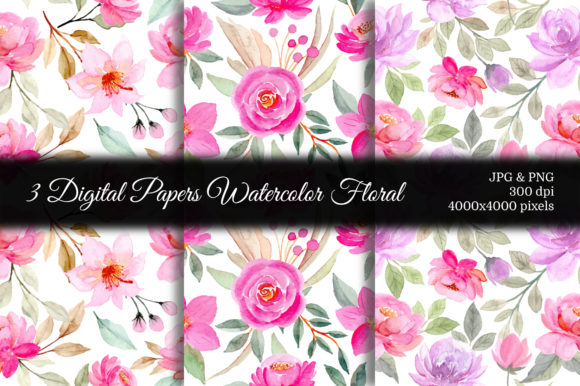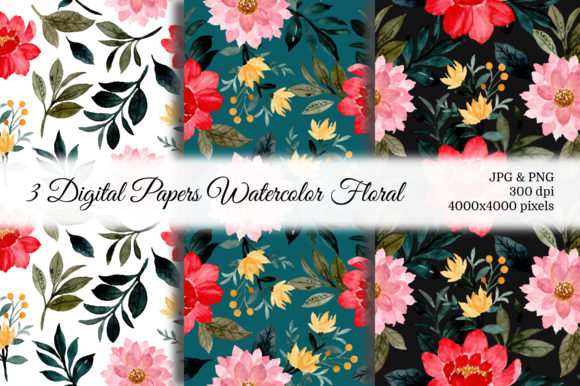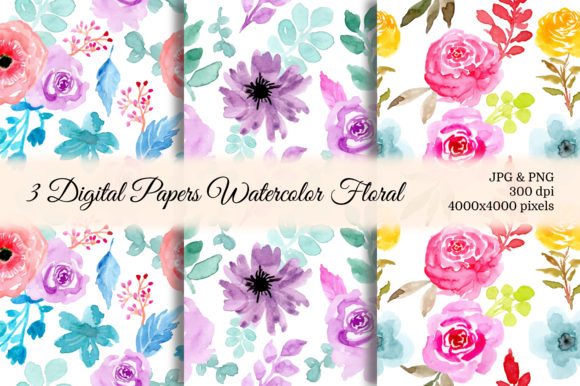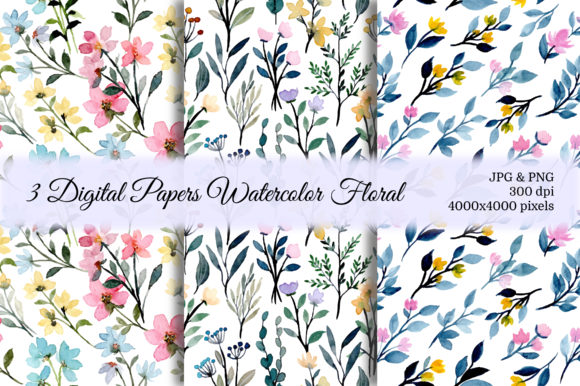
Colorful Floral Seamless Pattern: A Creative Guide
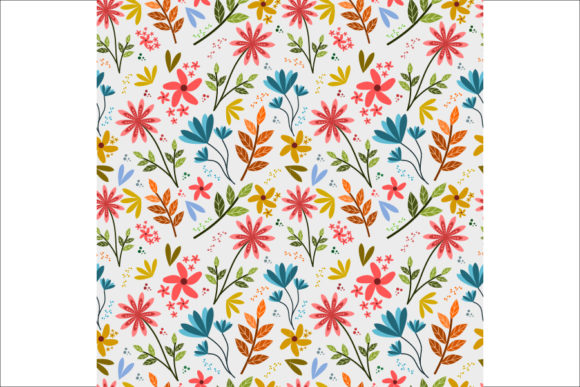
A colorful floral seamless pattern is more than just a pretty arrangement of flowers; it is a foundational design asset that repeats infinitely without visible breaks or seams. In practical terms, this means you can apply the design to a surface of any size—from a small business card to a massive billboard—and the motif will tile perfectly. The "seamless" aspect is the technical magic here. Unlike a standard illustration with defined borders, these patterns are engineered so that elements crossing the right edge reappear exactly on the left, and elements at the bottom continue seamlessly at the top. This creates a continuous visual flow that feels organic and professional, eliminating the awkward gaps or mismatched lines that often plague amateur designs.
The appeal of flat vector floral designs lies in their versatility and clean aesthetic. Flat design removes complex gradients and shadows, focusing instead on bold shapes, vibrant colors, and clear silhouettes. This style is incredibly popular because it scales without losing quality and prints beautifully on various materials. For creators and business owners, using a premium vector file ensures that the artwork remains crisp whether it is viewed on a smartphone screen or printed on fabric. The value proposition is simple: you get high-end, professional-grade artistry that saves dozens of hours of manual drawing and digital editing, allowing you to focus on the final product rather than the raw asset creation.
Why Creators Choose Premium Vector Assets
When browsing for design resources, you might wonder why specific file formats matter. Understanding what you receive is crucial for maximizing your workflow. When you acquire premium vector files, specifically EPS and JPEG formats, you are securing flexibility for both current and future projects. The distinction between these two file types serves different stages of the creative process.
- File Vector EPS: This is your master source file. EPS (Encapsulated PostScript) is a vector format, meaning the artwork is defined by mathematical paths rather than pixels. You can resize this file to the size of a building without ever seeing pixelation or blurriness. It allows for deep customization; if you need to change a petal from pink to teal or adjust the spacing between blooms, this is the file you use in software like Adobe Illustrator or Affinity Designer.
- File JPEG: This is your ready-to-use raster image. High-resolution JPEGs are flattened versions of the vector art. They are perfect for quick mockups, social media posts, or sending proofs to clients who do not have vector software. While not editable in the same way as an EPS, they provide immediate visual reference and ease of use for digital applications.
Having both formats included eliminates the friction of converting files yourself. For beginners, the JPEG offers an accessible entry point, while the EPS provides room to grow as skills develop. For professionals, receiving both streamlines the handoff between design and production teams.
Practical Applications Across Industries
The utility of a colorful floral seamless pattern extends far beyond digital wallpapers. Because the design tiles perfectly, it solves layout problems across physical and digital mediums. Here is how different audiences leverage these assets in real-world scenarios.
Product Design and Print-on-Demand
For entrepreneurs running Etsy shops or print-on-demand businesses, floral patterns are perennial bestsellers. A seamless vector pattern can be applied directly to textile products like tote bags, scarves, and pillowcases. Because the file is vector-based, you can adjust the scale of the flowers to suit the product. Large-scale blooms might work better for duvet covers, while smaller, denser repetitions are ideal for scrunchies or phone cases. The flat color style also translates exceptionally well to screen printing and direct-to-garment printing, where color separation is easier with solid shapes than with photorealistic imagery.
Packaging and Brand Identity
Small business owners in the beauty, wellness, or artisan food sectors often use floral patterns to convey freshness and natural ingredients. Wrapping paper, shopping bags, and product boxes benefit immensely from seamless tiling. Instead of struggling to align artwork on a dieline template, a seamless pattern fills the entire package effortlessly. This creates a cohesive unboxing experience that elevates perceived brand value. Marketers can also use these patterns as background textures for website headers, email newsletters, and social media templates, ensuring brand consistency across all touchpoints.
Educational and Stationery Projects
Educators and stationery designers find immense value in cheerful, colorful florals for creating engaging learning materials. Worksheets, notebook covers, and classroom decorations become more inviting when adorned with vibrant botanical motifs. For hobbyists and scrapbookers, digital papers derived from these patterns serve as backgrounds for memory keeping. The ability to edit the EPS file means you can mute colors for a vintage look or saturate them for a modern vibe, making one purchase applicable to multiple distinct projects.
Important Considerations Before Use
While colorful floral seamless patterns are incredibly useful, selecting and using them effectively requires some forethought. Not all patterns serve every purpose, and understanding the technical nuances prevents frustration later in the production pipeline.
Color Mode Awareness: Always check whether the vector file is set up in CMYK (for print) or RGB (for screen). If you plan to print the pattern on fabric or paper but the file is in RGB, colors may shift during conversion. Premium vector files often come in CMYK to support commercial printing, but verifying this before starting a large print run is essential. You can easily convert modes in vector software, but doing so early avoids costly reprints.
Scale and Density: Consider the end-use dimensions relative to the pattern repeat size. A pattern with huge, sparse flowers might look empty when scaled down for a business card. Conversely, a tiny, dense repeat might turn into visual noise when blown up for wall art. Since you receive the EPS file, you can modify the scale, but choosing a base pattern that closely matches your intended application saves time. Look for descriptions that indicate the repeat size or visual density.
Licensing and Commercial Rights: Always review the license agreement associated with the premium vector files. While most premium assets allow for commercial use in end products, there may be restrictions on reselling the pattern itself as digital paper or claiming the artwork as your own original creation. Respecting these terms protects your business and supports the artists who create these valuable resources.
Software Compatibility: Ensure you have access to vector editing software if you intend to utilize the EPS file fully. Free alternatives like Inkscape exist, but industry standards like Adobe Illustrator offer the most reliable compatibility. If you lack vector software, rely on the high-resolution JPEG provided. However, investing time in learning basic vector manipulation unlocks the true potential of seamless patterns, allowing you to recolor, rearrange, and customize designs to fit your unique vision perfectly.
Ultimately, integrating a colorful floral seamless pattern into your creative toolkit is about efficiency and aesthetic quality. Whether you are designing a wedding invitation suite, launching a new clothing line, or simply beautifying a digital presentation, these assets provide a polished foundation. By understanding the difference between vector and raster formats and considering the practical constraints of your project, you can transform a simple floral motif into a powerful design element. We hope this guide helps you navigate your creative journey with confidence. Thank you very much, we wish you have a wonderful day and always in kindness. Best regards 🙂