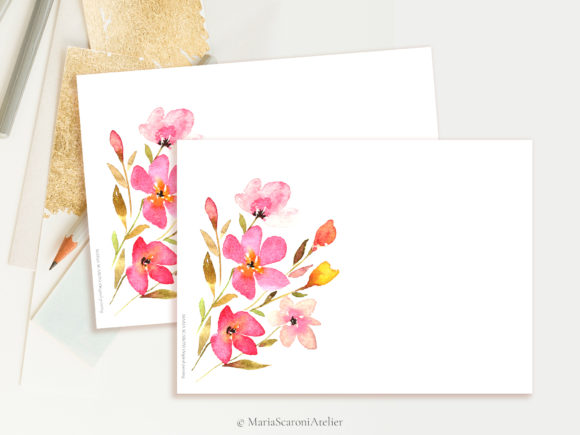
Vintage Floral Greeting Card Template Design Guide
The enduring appeal of botanical illustration lies in its ability to convey emotion without saying a word. A vintage floral greeting card template serves as a bridge between classical artistry and modern digital convenience, offering a structured yet flexible foundation for personal expression. Whether you are designing a wedding invitation suite or a simple thank-you note, these templates provide the intricate line work, muted color palettes, and organic compositions that define the retro aesthetic. Unlike starting from a blank canvas, a well-crafted template preserves the delicate balance of negative space and ornamental detail that makes vintage design so captivating.
Defining the Vintage Floral Aesthetic in Digital Formats
When we discuss a vintage floral greeting card template, we are referring to more than just a background image. True vintage design is characterized by specific artistic choices: hand-drawn textures, slightly desaturated tones reminiscent of aged paper, and botanical accuracy mixed with artistic stylization. These elements create a sense of nostalgia and warmth that flat, modern vector art often lacks. The template acts as a curated framework where the hard work of illustrating complex peonies, roses, or wildflowers has already been completed, allowing the user to focus on typography and layout.
For this aesthetic to translate effectively across different mediums, the underlying file structure matters immensely. The inclusion of AI and EPS files ensures that the floral elements remain crisp at any size, which is non-negotiable for professional printing. Meanwhile, JPG and PNG formats offer immediate accessibility for digital sharing or quick mockups. This multi-format approach acknowledges that design does not happen in a vacuum; it exists across physical print shops, home printers, and social media feeds simultaneously.
Perspectives for Beginners and Hobbyists
For those new to graphic design or crafting, the primary value of a vintage floral greeting card template is confidence. Creating realistic botanical illustrations requires years of practice, but arranging them into a cohesive composition is a skill that can be learned much faster. Beginners often struggle with visual hierarchy, unsure of where to place text against a busy floral background. A quality template solves this by pre-defining safe zones for copy, ensuring that your message remains legible against the intricate artwork.
Hobbyists and DIY enthusiasts typically prioritize ease of use and immediate visual gratification. For this group, the PNG and JPG files are often the most valuable assets. They allow for quick customization in user-friendly software like Canva or Photoshop Elements without the steep learning curve associated with vector manipulation. The goal here is often personal satisfaction or creating something meaningful for friends and family. In this context, the template reduces technical friction, allowing the creator to spend more time writing a heartfelt message rather than wrestling with anchor points and bezier curves.
Professional Applications for Freelancers and Agencies
Experienced designers and freelancers evaluate a vintage floral greeting card template through a different lens: efficiency and scalability. When managing multiple client projects, creating custom botanical illustrations for every single greeting card or invitation is rarely economically viable. A high-quality template library allows professionals to deliver bespoke-looking results within tighter deadlines. The AI and EPS files are critical here because they allow for deep customization. A professional might recolor the entire floral arrangement to match a wedding party’s specific palette, isolate individual blooms to create matching table cards, or adjust the opacity to accommodate heavy text overlays.
Reliability is another key metric for this audience. Professionals need to know that the vectors are clean, the layers are logically organized, and the colors are set up correctly for CMYK printing if intended for physical production. A messy file costs billable hours to fix, whereas a premium template saves them. For freelance stationers and boutique design agencies, these templates also serve as educational tools. Deconstructing how a skilled illustrator balanced the weight of a dark foliage border against a light center can inform future original work, making the purchase an investment in skill development as well as productivity.
Strategic Value for Small Business Owners and Marketers
Small business owners, particularly those in the wedding, event planning, or artisanal retail sectors, view vintage floral greeting card templates as brand assets. Consistency builds trust, and having a cohesive visual language across thank-you cards, product packaging inserts, and holiday greetings reinforces brand identity. For a florist or a vintage clothing reseller, using on-brand floral templates aligns the unboxing experience with the core product offering.
Cost-effectiveness drives decision-making for entrepreneurs. Hiring a custom illustrator for a full suite of stationery can cost thousands of dollars. A versatile template offers a middle ground between generic stock art and expensive custom commissions. It provides enough uniqueness to stand out while keeping overhead low. Furthermore, marketers appreciate the versatility of having both raster and vector formats. The same vintage floral greeting card template used for a printed holiday mailer can be adapted into an Instagram story background or an email newsletter header, maximizing the return on investment across multiple touchpoints.
Educational Use and Skill Development
Educators and students in graphic arts often utilize these templates as study material. Beyond simply using them for assignments, analyzing a vintage floral greeting card template teaches fundamental principles of decorative design. Students can examine how traditional motifs have been digitized, how color separation works in retro styles, and how historical design trends are reinterpreted for contemporary audiences. For teachers, providing students with editable AI or EPS files allows for hands-on lessons in vector editing, layer management, and print preparation that theoretical lectures cannot replicate.
Evaluating Suitability for Your Specific Project
Determining whether a specific vintage floral greeting card template matches your needs requires honest assessment of your project scope and technical comfort level. Consider the following factors before integrating a template into your workflow:
- Output Medium: If you are exclusively digital, high-resolution PNGs may suffice. If you plan to professionally print invitations or cards, verify that the AI/EPS files support CMYK color profiles and bleed settings.
- Customization Depth: Do you need to change the flower colors? If yes, ensure the vector files have separated color layers. Raster files (JPG/PNG) make recoloring difficult and often result in quality loss.
- Licensing Terms: Commercial users must verify that the license covers their intended volume and distribution method. Personal hobbyists have more flexibility but should still respect creator rights.
- Style Alignment: "Vintage" is broad. Ensure the specific era and botanical style (e.g., Victorian engraving vs. 1970s watercolor) matches the tone of your event or brand.
Making the Final Decision
Ultimately, the right vintage floral greeting card template is one that removes barriers between your vision and the finished product. For the bride seeking timeless elegance, it provides peace of mind. For the freelancer juggling three weddings in one month, it provides sanity. For the educator, it provides a tangible example of design history. By understanding what each file format offers and how different users leverage these assets, you can select resources that genuinely enhance your creative process rather than complicating it. The best templates feel less like shortcuts and more like collaborative tools that elevate the final result while honoring the rich tradition of floral illustration.