Floral Yarn and Crocheting: Evaluating Digital Cut Files for DIY Projects
The intersection of traditional fiber arts and modern digital fabrication has created a unique niche for crafters. When researching Floral Yarn, Crocheting designs for digital cutting machines, it is essential to understand that these files serve a different purpose than physical yarn or crochet patterns. Instead of providing instructions for stitching, these digital assets offer vector-based representations of floral yarn aesthetics suitable for vinyl cutting, sublimation, and print applications. Evaluating whether this specific type of digital asset aligns with your project goals requires an understanding of file compatibility, intended use cases, and the technical limitations inherent in gradient-based SVG designs.
Understanding Floral Yarn Digital Assets
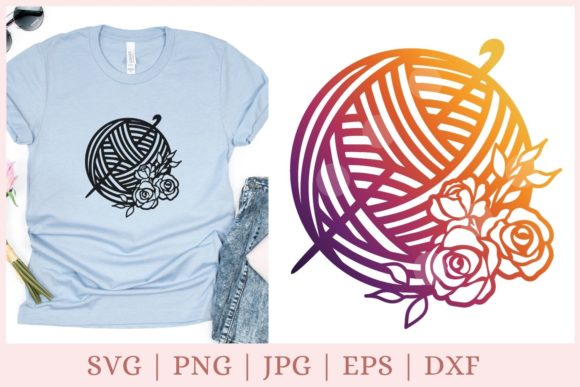
In the context of digital crafting, Floral Yarn, Crocheting refers to graphic designs that mimic the texture, flow, and organic nature of crocheted floral motifs. Unlike standard vector art which often features flat colors and sharp lines, these designs attempt to replicate the softness of fiber arts through gradients and detailed layering. This distinction is critical for evaluation because it directly impacts how the file interacts with cutting software and hardware.
Crafters typically seek these designs to bridge the gap between the time-intensive nature of actual crocheting and the speed of digital production. While a physical crocheted flower may take hours to complete, a digital cut file allows for the immediate application of that aesthetic to shirts, wood signs, mugs, tumblers, cards, and party decor. However, the decision to use a digital representation rather than physical media involves tradeoffs regarding texture, durability, and visual authenticity.
Technical Compatibility and File Formats
A primary consideration when selecting a Floral Yarn, Crocheting perfect cut file package is software compatibility. The utility of the product depends entirely on whether your specific ecosystem supports the provided formats. A comprehensive package typically includes multiple variations to ensure broad usability:
- 2 SVG files: One black silhouette and one full-color version. These are the primary vectors for cutting machines like Cricut and Silhouette.
- 2 PNG files: High-resolution raster images with transparent backgrounds, ideal for sublimation or direct-to-garment printing.
- 2 JPG files: Standard raster images suitable for digital mockups or basic printing.
- 2 PDF files: Vector documents useful for high-quality printing or viewing design details without specialized design software.
- 2 EPS files: Professional-grade vectors compatible with Adobe Illustrator and CorelDRAW for advanced editing.
- 1 DXF file: A universal CAD format often used as a fallback for older cutting machine software.
Evaluators must note a significant technical constraint: it is not possible to open gradient SVGs in Design Space. This limitation is crucial for users of Cricut Design Space who intend to cut the colored version directly. If your workflow relies exclusively on this software and you require the multi-colored floral effect, you will need to utilize the PNG for Print-Then-Cut functionality or switch to alternative software like Silhouette Studio or Inkscape that handles complex SVG gradients natively. Users intending to cut single-color vinyl silhouettes will find the black SVG version fully compatible across all platforms.
Evaluating Use Cases and Applications
Determining whether a Floral Yarn, Crocheting cut file is the right choice depends heavily on the end product. These digital assets excel in scenarios where the visual style of crochet is desired without the structural properties of fiber.
Strong Fit Scenarios
This digital approach is highly effective for personalized apparel and hard goods. For shirts and tumblers, vinyl or sublimation transfers provide durability that physical yarn cannot match in wash cycles. For wood signs and party decor, the ability to scale the design infinitely without losing resolution makes digital vectors superior to stencils or hand-painting. Custom gifts also benefit from this format, as the digital nature allows for rapid iteration and personalization (such as adding names or dates) that would be impossible with pre-made physical crochet items.
Situations Requiring Alternatives
If the goal is tactile warmth, three-dimensional texture, or traditional heirloom quality, digital cut files are not a suitable substitute. A vinyl decal on a mug mimics the look of yarn but lacks the feel. Additionally, if a crafter’s primary business model centers on authentic handmade fiber arts, using digital representations may conflict with brand identity or customer expectations. In these cases, sourcing actual crochet patterns or hiring a fiber artist would be the appropriate path.
Benefits and Tradeoffs Analysis
Making an informed purchase decision requires weighing the practical advantages against the inherent limitations of translating fiber art into vector graphics.
Key Benefits
- Efficiency: Production time is reduced from hours per unit to minutes, enabling batch processing for markets or events.
- Versatility: A single file package facilitates creation across diverse substrates including fabric, wood, ceramic, and paper.
- Consistency: Digital reproduction ensures every item in a set (e.g., party favors or bridesmaid gifts) is identical, eliminating human variance.
- Editability: EPS and SVG formats allow users to modify colors, resize elements, or combine the floral yarn motif with other design elements.
Considerations and Limitations
- Software Restrictions: As noted, gradient handling varies significantly between programs. Users must verify their software capabilities before expecting seamless color cutting.
- Weeding Complexity: Detailed floral yarn designs often contain intricate interior cuts. Crafters should evaluate their patience and skill level for weeding small vinyl pieces, or opt for the Print-Then-Cut method using the PNG file to avoid weeding entirely.
- Texture Simulation: Gradients simulate depth but do not create it. On matte surfaces, the design may appear flat compared to the reference imagery.
- Licensing Terms: Always review the specific license included with the download. Some files permit commercial use on finished products but prohibit selling the digital file itself or using it for print-on-demand services without modification.
Decision-Making Framework
To determine if this Floral Yarn, Crocheting package aligns with your current needs, consider the following evaluation checklist:
- Verify Software: Do you have software that supports gradient SVGs if you need the colored cut version? If not, are you prepared to use Print-Then-Cut with the PNG?
- Assess Substrate: Is the project surface suitable for adhesive vinyl, HTV, or sublimation? If the project requires actual textile construction, discard this option.
- Evaluate Skill Level: Are you comfortable weeding intricate designs? If you are a beginner, the black silhouette SVG or the PNG for printing may be safer starting points than the multi-layer color SVG.
- Confirm Output Volume: Does the time savings of digital production justify the cost of the file versus creating a physical prototype?
Ultimately, Floral Yarn, Crocheting cut files represent a hybrid toolset. They are best evaluated not as replacements for traditional crafts, but as complementary assets that extend the visual language of fiber arts into the realm of digital fabrication. By carefully reviewing the included file types—specifically the distinction between the black and color SVGs and the presence of PNG/EPS alternatives—crafters can select the format that integrates seamlessly with their existing workflow. Ensuring your cutting machine software is compatible with SVG files remains the foundational step before downloading, guaranteeing that the creative potential of the package can be fully realized in your DIY projects.