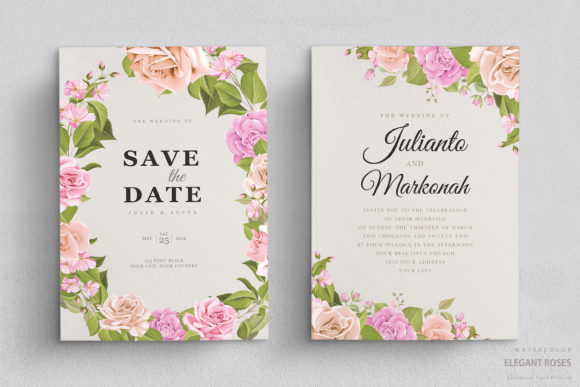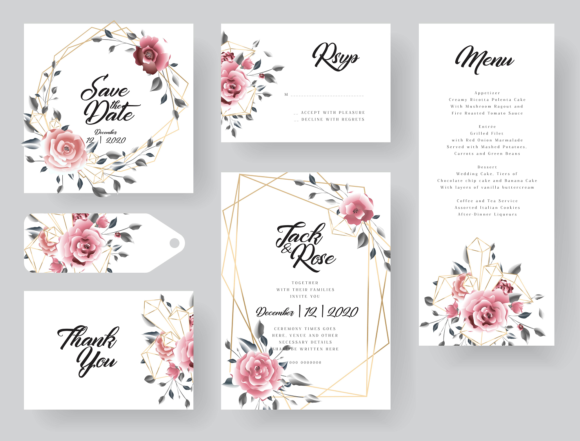
Peonies Floral Wedding Invitation Card Design Guide
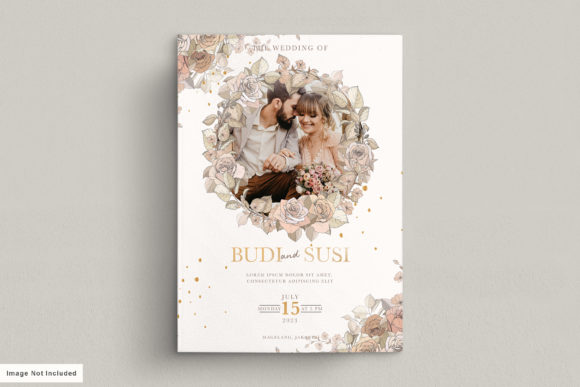
Creating a cohesive visual identity for a wedding or special event often hinges on the quality of the botanical illustrations used. The Peonies Floral Wedding Invitation Card asset collection offers a distinct advantage for designers and DIY creators alike: authentic, hand-drawn watercolor artwork that retains the organic imperfections of traditional media while providing the technical precision of modern vector files. Unlike generic stock vectors that can feel sterile or overly repetitive, these 100% hand-drawn elements capture the true natural colors and delicate textures of peonies, making them an ideal foundation for high-end stationery and branding.
This resource is not merely a pre-made template but a comprehensive toolkit of transparent graphic elements. Because the artwork was originally created at 1800×1800 pixels with 300PPI resolution, it bridges the gap between raster artistry and scalable design. Whether you are a professional graphic designer streamlining your workflow or a couple designing your own stationery, understanding how to leverage these specific assets can elevate your final output from standard to bespoke.
The Value of Hand-Drawn Watercolor Assets
In an era dominated by AI-generated imagery and traced vectors, genuine hand-drawn artwork carries a unique weight. When utilizing a Peonies Floral Wedding Invitation Card design, the primary appeal lies in the transparency and layering capabilities. Each flower, leaf, and bud exists as an isolated element with a transparent background. This separation allows for infinite compositional freedom. You are not locked into a static arrangement; instead, you can build custom wreaths, corner pieces, or cascading borders that fit the exact dimensions of your chosen paper size or digital canvas.
The post-processing work done in Adobe Illustrator ensures that while the aesthetic remains soft and painterly, the edges are clean enough for professional printing. The 300PPI standard is critical here. Many floral assets found online are web-resolution only, resulting in pixelation when scaled up for signage or large-format prints. Starting with high-resolution source material means your Peonies Floral Wedding Invitation Card designs will remain crisp whether they are printed on a 5x7 invitation or displayed on a welcome sign at the venue entrance.
Creative Applications Beyond Stationery
While the name suggests a focus on invitations, the versatility of these transparent peony graphics extends far beyond paper goods. For entrepreneurs and small business owners in the wedding industry, this package serves as a multi-purpose branding kit. Consider the following practical applications:
- Vendor Branding: Florists, makeup artists, and boutique planners can incorporate these peonies into logos, social media templates, and client proposal decks to establish a romantic, organic brand voice without commissioning expensive custom illustrations.
- Product Packaging: Candle makers, soap artisans, and confectioners can use the individual floral elements to create custom labels. The transparent backgrounds allow the graphics to sit seamlessly on colored packaging or kraft paper.
- Digital Content Creation: Bloggers and educators can use the florals as overlays for Pinterest pins, YouTube thumbnails, or course certificates. The natural color palette provides a neutral yet elegant backdrop that enhances readability without distracting from the text.
- Event Signage Systems: Create a unified look across seating charts, menu cards, and table numbers. Using the same hand-drawn elements across different formats creates a subconscious sense of organization and luxury for guests.
Technical Workflow and File Management
To get the most out of this collection, users must understand the file structure. The package includes a ZIP file containing EPS files compatible with Adobe Illustrator. This format is significant because EPS files preserve vector data and transparency information better than standard JPEGs or PNGs for print production. For designers working in Illustrator, these files allow for non-destructive editing. You can adjust opacity, apply blending modes, or even recolor specific elements using global swatches while maintaining the original watercolor texture.
For those less familiar with vector software, the high-resolution nature of the source files means you can still achieve excellent results in raster-based programs like Photoshop, Canva, or Procreate. However, it is essential to maintain the aspect ratio when resizing to prevent distortion. Always work with the original transparent files rather than screenshots or flattened images to ensure the white space around the petals remains truly transparent, preventing unsightly white boxes from appearing over your background colors.
Design Principles for Botanical Composition
Having access to beautiful Peonies Floral Wedding Invitation Card elements does not automatically guarantee a balanced design. Effective botanical composition requires intentionality. A common mistake is overcrowding the canvas. Peonies are visually heavy flowers due to their dense petal structure. To keep your design clear and effective, practice negative space management. Allow the flowers to breathe by leaving ample margins around text areas.
Consider the hierarchy of your layout. Use larger, fully open blooms as focal points to anchor the composition, and utilize smaller buds or single leaves to guide the viewer’s eye toward the essential information, such as names, dates, or call-to-action buttons. The hand-drawn nature of these assets means no two flowers are identical; use this variation to your advantage. Alternating between different angles and stages of bloom creates a natural rhythm that feels curated rather than copy-pasted.
Color Harmony and Typography Pairing
Because these illustrations are rendered in true natural colors, they pair best with typography that shares similar organic qualities. Avoid ultra-modern, geometric sans-serifs which can clash with the softness of the watercolor. Instead, opt for classic serifs, refined scripts, or textured typefaces that complement the brushwork. When selecting background colors, test against the actual floral files first. Natural peony tones often contain subtle undertones of cream, blush, or sage that may clash with pure white or neon backgrounds. Muted, earthy, or warm neutral palettes typically provide the most harmonious foundation for this style of artwork.
Adapting Styles for Different Audiences
The interpretation of a Peonies Floral Wedding Invitation Card should shift based on the end user's goal. For a traditional wedding, a symmetrical border or centered wreath conveys timeless elegance. However, for a modern editorial shoot or a contemporary brand launch, try asymmetrical placements. Let the florals bleed off the edge of the canvas to create a dynamic, cropped effect that feels current and fashion-forward.
Educators and content creators targeting a younger demographic might combine these classic florals with bold, vibrant typography or unexpected color blocks to create a juxtaposition of old and new. This approach keeps the romantic association of peonies while signaling freshness and relevance. Conversely, luxury brands should lean into minimalism, using perhaps only one or two meticulously placed stems to convey exclusivity and restraint.
Maintaining Originality in Template-Based Design
When using shared assets, there is always a risk of creating work that looks identical to others. To maintain originality, treat the Peonies Floral Wedding Invitation Card files as raw ingredients rather than a finished meal. Combine multiple elements to create new composite flowers. Adjust the scale dramatically—using a peony at 200% size as a texture overlay, or at 10% size as a repeating pattern. Integrate the florals with other media, such as photography, foil stamping, or hand-lettering.
Ultimately, the value of this collection lies in its ability to save time without sacrificing soul. By providing high-quality, transparent, hand-drawn components, it removes the barrier of needing advanced illustration skills while still allowing for deep creative expression. Whether you are designing a single invitation suite or building a comprehensive brand identity, these assets offer a grounded, practical solution for achieving professional, botanically accurate aesthetics.