Digital Paper Lace Floral: Elegant Design Assets
Elevating the visual quality of creative projects often requires textures that convey sophistication and tradition without demanding hours of manual illustration. Digital Paper Lace Floral assets serve this specific need by providing high-resolution, intricate patterns that mimic the delicate nature of physical fabric lace. For designers, crafters, and small business owners, these digital backgrounds offer an immediate solution for adding vintage charm or romantic elegance to invitations, stationery, and web graphics. Unlike physical lace, which can be difficult to photograph cleanly or scan without shadows, digital lace patterns provide crisp, consistent edges and uniform coloring that integrate seamlessly into modern design workflows.
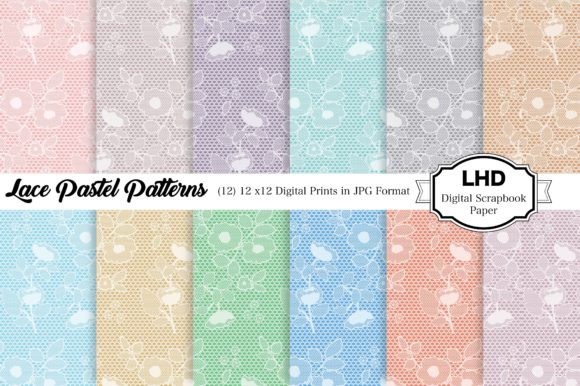
The primary value of incorporating digital lace into your asset library lies in its versatility across both print and screen mediums. When working with a set of 13 distinct designs, you gain access to a cohesive visual language that can unify a branding suite or a wedding collection. The 12x12 inch format is particularly significant because it serves as a universal standard. This dimension aligns perfectly with scrapbooking requirements while also offering ample resolution for larger print projects when tiled or cropped. Having instant access to these files eliminates the lead time associated with sourcing physical materials, allowing professionals to meet tight deadlines without compromising on aesthetic detail.
Technical Specifications for Professional Print Quality
Understanding the technical foundation of these assets is crucial for achieving professional results. The included JPG files are rendered at 300 DPI (dots per inch) with dimensions of 3600 x 3600 pixels. This specification is the industry benchmark for high-quality printing. At this resolution, the intricate threads and floral motifs of the lace pattern remain sharp even when printed at full size. Lower resolution files often result in pixelation or blurring when enlarged, which destroys the illusion of delicate textile work. By starting with 3600-pixel squares, you ensure that birthday cards, Valentine’s Day mailers, and product packaging maintain clarity and tactile appeal.
Color fidelity is another practical consideration addressed by high-quality digital downloads. Physical lace varies significantly based on lighting conditions during photography, often requiring extensive color correction in post-production. These digital papers arrive with pre-balanced colors, reducing the editing time required to match your brand palette or event theme. Whether you are designing a soft pastel nursery announcement or a stark black-and-white editorial layout, the consistency of digital files allows for predictable outcomes. This reliability is especially valuable for entrepreneurs selling printable products, as it ensures customers receive the same high-standard visual experience regardless of their home printer settings.
Leveraging Transparent PNGs for Layered Compositions
While the JPG backgrounds provide excellent base layers, the inclusion of a white lace PNG file with a transparent background fundamentally changes how these assets can be utilized. Transparency removes the constraint of a solid background color, enabling non-destructive layering over photographs, colored cardstock simulations, or complex gradients. This feature is indispensable for creating depth in digital scrapbooking and website headers. Instead of simply placing a photo on top of a lace square, designers can weave the lace around the subject, creating a frame that feels organic rather than superimposed.
For web designers and bloggers, the transparent PNG offers unique advantages in user interface design. Lace textures can be applied as subtle overlays on hero images to soften harsh photography or add textural interest to minimalist layouts without obscuring readability. Because the background is removed, the lace adapts to whatever CSS background color or image sits beneath it. This flexibility supports responsive design principles where assets must look appropriate across various devices and screen contexts. Additionally, the transparent file simplifies the creation of custom shapes; users can mask the lace into circles, arches, or bespoke frames for social media stories and highlight covers.
Streamlining Workflow for Stationery and Event Design
Professionals in the stationery and event industry face constant pressure to deliver bespoke aesthetics efficiently. Digital Paper Lace Floral patterns function as force multipliers in this environment. Rather than drawing filigree from scratch, which requires specialized vector skills and significant time, designers can use these pre-made elements as foundational building blocks. A single lace sheet can be transformed into a border for a menu, a backdrop for a place card, or a decorative element on a thank-you note. This modularity allows for rapid iteration during client proofing stages, as different lace variations can be swapped instantly to gauge preference.
The 12x12 inch size also facilitates efficient paper usage for physical production. Many commercial digital presses and desktop printers handle 12x12 or 13x19 paper sizes natively. Designing within these parameters minimizes waste when producing hang tags, gift wrap, or envelope liners. For creators selling digital templates on platforms like Etsy or Creative Market, providing assets in this standard size increases compatibility with popular consumer software like Canva, Photoshop Elements, and Procreate. Meeting users where they are technically reduces friction and increases the perceived value of the digital product.
Practical Applications Across Creative Disciplines
Beyond traditional stationery, these digital lace designs solve specific problems in diverse creative fields. Educators and homeschoolers can use the softer textures to create engaging yet gentle worksheets for literature or history units focusing on Victorian eras or textile arts. The visual cue of lace helps set a historical tone more effectively than plain borders. Small business owners in the beauty and wellness sectors often utilize lace imagery to communicate femininity, care, and luxury in packaging and social media content. The digital format allows these textures to be applied consistently across Instagram posts, email newsletters, and physical product labels, strengthening brand recognition through repetitive visual motifs.
- Scrapbooking: Use the 12x12 JPGs as direct page backgrounds or cut digital elements to create hybrid layouts that mix physical photos with digital texture.
- Web Design: Apply the transparent PNG as a low-opacity overlay on section dividers to break up text-heavy blog posts with visual breathing room.
- Product Packaging: Tile the seamless patterns to create custom wrapping paper or tissue paper designs for boutique retail experiences.
- Social Media: Create reusable story templates where the lace acts as a permanent frame, ensuring brand consistency across daily updates.
Considerations for Optimal Implementation
While digital lace offers significant benefits, successful implementation requires mindful application. One common limitation is the potential for visual clutter. Lace is inherently detailed; pairing it with ornate typography or busy photography can result in a chaotic composition that lacks hierarchy. Best practice dictates treating digital lace as a supporting texture rather than always the focal point. Utilizing blend modes such as "Multiply" or "Overlay" in editing software can help integrate the texture more subtly, allowing it to enhance rather than compete with primary content. Users should also consider contrast ratios when placing text over lace patterns to maintain accessibility standards, particularly for web and digital invitation use.
File management is another practical aspect to consider. With 13 high-resolution files totaling significant storage space, organizing assets logically prevents workflow bottlenecks. Renaming files descriptively (e.g., "White_Floral_Lace_Transparent.png" rather than "lace_01.png") saves time during future projects. Additionally, while 300 DPI is ideal for print, users creating exclusively for web may wish to create lower-resolution copies to optimize page load speeds. Maintaining the master files at full resolution preserves quality for future print needs, while derivative files serve immediate digital performance goals. Understanding these distinctions ensures the asset collection remains a long-term resource rather than a temporary fix.
Ultimately, Digital Paper Lace Floral collections represent a bridge between traditional craftsmanship and modern efficiency. They empower creators to infuse projects with the warmth and complexity of handmade textiles while retaining the precision and speed of digital tools. Whether used for a singular Valentine's Day card or a comprehensive wedding branding suite, these assets provide the structural elegance necessary to elevate ordinary designs into memorable visual experiences. By selecting high-quality, properly formatted files, professionals and hobbyists alike can ensure their creative output stands out in an increasingly saturated digital landscape.