Evaluating Seamless Pattern Floral Watercolor 22 for Digital Design Projects
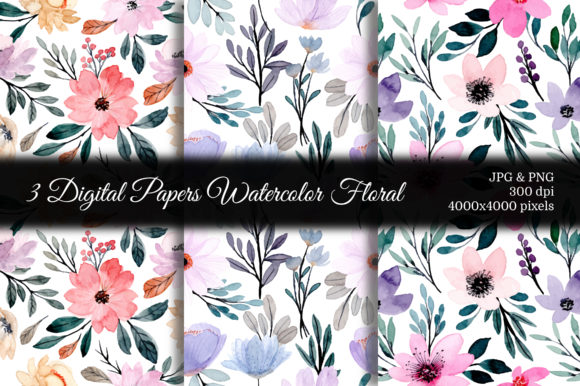
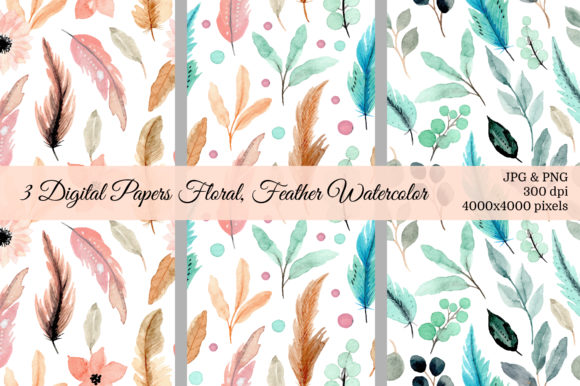
Selecting the appropriate background asset is a critical step in digital design, influencing both the aesthetic quality and technical viability of a project. Seamless Pattern Floral Watercolor 22 represents a specific category of digital resources that combines organic artistic textures with precise technical specifications. For designers, crafters, and content creators evaluating this asset, understanding its composition, utility, and limitations is essential for making an informed purchasing or usage decision. This evaluation focuses on the practical application of the "Digital papers seamless pattern of watercolor floral and feather" collection, analyzing whether its specific attributes align with professional and personal creative goals.
Defining the Asset and Technical Specifications
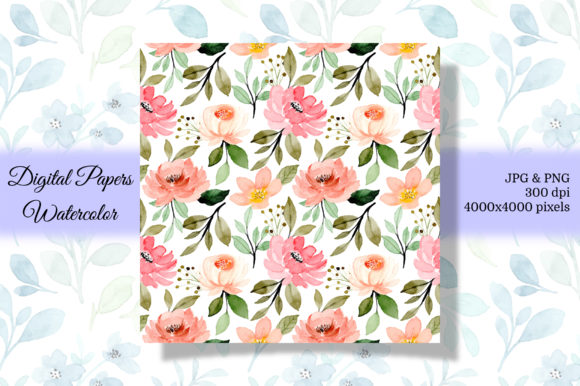
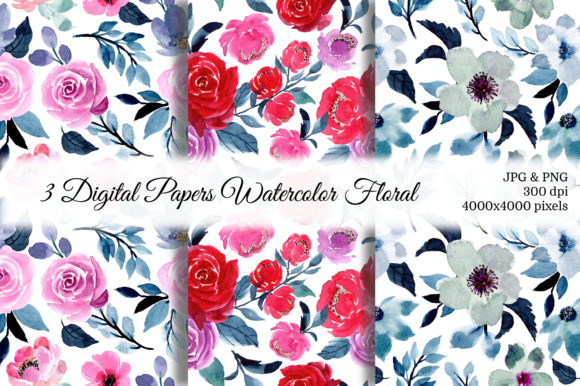
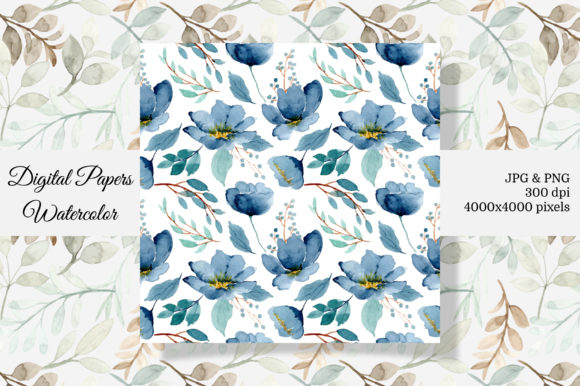
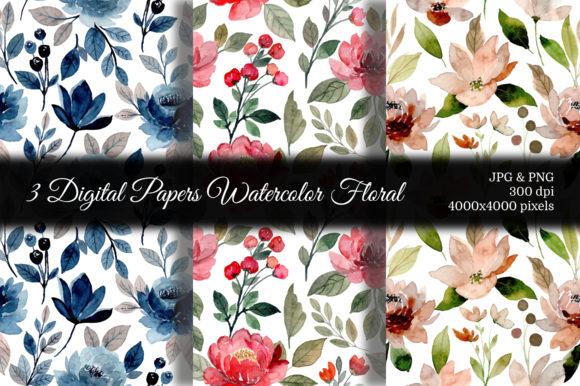
Seamless Pattern Floral Watercolor 22 is not merely a decorative image; it is a functional design component engineered for repetition. The core value proposition of this asset lies in its technical construction. Users receive a total of six files, split evenly between JPG and PNG formats. Both formats are rendered at 4000×4000 pixels with a resolution of 300 DPI (dots per inch). This specification is significant because it meets the industry standard for high-quality print production while remaining manageable for digital workflows.
The distinction between the provided formats dictates their use cases. The three JPG files feature a white background, making them optimized for print-on-demand products, stationery design, and digital backgrounds where opacity is required. Conversely, the three PNG files offer a transparent background. This transparency is a crucial differentiator, allowing designers to layer the watercolor floral and feather motifs over colored backgrounds, gradients, or other textures without the interference of a white bounding box. When evaluating this asset, one must determine if their workflow necessitates this layering flexibility, as it significantly expands the pattern's versatility compared to opaque-only alternatives.
Aesthetic Evaluation and Design Compatibility
The visual language of Seamless Pattern Floral Watercolor 22 blends traditional botanical illustration with soft, textural elements. The inclusion of feathers alongside florals introduces a tactile dimension that distinguishes it from standard botanical patterns. For evaluators, the primary question is whether this specific stylistic fusion supports the intended project tone. Watercolor aesthetics inherently convey softness, nostalgia, and organic imperfection. This makes the pattern particularly strong for industries and niches such as wedding stationery, baby product packaging, feminine branding, and wellness content.
However, the hand-painted nature of watercolor digitization requires careful assessment. Unlike vector graphics, which are mathematically perfect, watercolor scans retain the grain of the paper and the bleed of the pigment. At 4000×4000 pixels, these details are preserved. Evaluators should zoom in on preview images to assess the cleanliness of the scan. High-resolution watercolor assets should show intentional brushwork rather than pixelation or compression artifacts. If the end goal involves large-format printing, such as wrapping paper or fabric yardage, verifying that the watercolor texture holds up at physical scale is necessary. The 300 DPI rating suggests it is print-ready, but the subjective quality of the watercolor rendering determines its premium feel.
Practical Benefits and Workflow Integration
The primary benefit of choosing a pre-made seamless pattern like this over creating one from scratch is time efficiency. Creating a truly seamless watercolor texture requires advanced masking skills and significant rendering time. Seamless Pattern Floral Watercolor 22 eliminates the technical hurdle of edge-matching, allowing creators to focus on layout and typography. The 4000px square dimension provides ample coverage for most standard print sizes, including A3 posters and US Letter documents, without requiring immediate upscaling.
Furthermore, the dual-format delivery reduces post-processing labor. Designers often purchase JPG patterns only to spend hours attempting to remove white backgrounds for overlay purposes, frequently resulting in degraded edges. Having native PNG files with genuine transparency preserves the delicate watercolor edges that are typically lost during manual background removal. For users working in software like Procreate, Photoshop, or Canva, this ready-to-use transparency streamlines the compositing process. The asset effectively bridges the gap between raw artistic texture and polished design utility.
Tradeoffs and Limitations to Consider
Despite its advantages, Seamless Pattern Floral Watercolor 22 has inherent limitations that may make it unsuitable for certain applications. As a raster-based asset, it lacks the infinite scalability of vector patterns. While 4000×4000 pixels is substantial, scaling the pattern beyond 100% for billboard-sized or large-format textile printing may result in softness or loss of detail. Designers requiring infinite zoom capabilities or the ability to recolor individual elements within the pattern should consider vector alternatives instead.
Additionally, the specific color palette of watercolor assets is generally fixed. Unlike vector art where hues can be adjusted globally with a click, altering the colors of a raster watercolor pattern requires complex adjustment layers or blending modes that can compromise the natural texture. If a project demands strict adherence to specific brand hex codes, this asset may require significant manipulation to match, potentially negating the time-saving benefits. Evaluators must weigh the convenience of the existing aesthetic against the potential need for color customization.
Situational Fit: When to Choose This Asset
Seamless Pattern Floral Watercolor 22 is a strong fit when the project prioritizes organic texture over geometric precision. It is ideal for:
- Print Stationery: Invitations, greeting cards, and envelopes where 300 DPI ensures crisp reproduction.
- Digital Content Creation: Social media templates, blog headers, and ebook covers where the transparent PNG allows for dynamic branding overlays.
- Product Mockups: Adding realistic texture to packaging designs or merchandise previews.
- Scrapbooking and Journaling: Digital planning communities that value artistic, non-corporate aesthetics.
In these scenarios, the combination of high resolution and transparent layering options provides immediate value and professional results.
When to Consider Alternatives
Evaluators should look elsewhere if their requirements fall outside the strengths of raster watercolor. Alternatives are worth considering if:
- Large Format Textile Printing is Required: For duvet covers or curtains exceeding the 4000px limit, vector patterns or higher-resolution specialized textile files are safer choices.
- Strict Brand Color Matching is Mandatory: Corporate identity projects with zero tolerance for color deviation may require custom-drawn vector assets.
- Minimalist or Geometric Aesthetics are Desired: The intricate, soft nature of floral watercolor clashes with modernist, flat, or tech-forward design languages.
- Commercial Exclusivity is Needed: Stock digital papers are typically non-exclusive. Brands requiring a unique, trademarkable pattern must commission original artwork.
Making the Final Decision
Ultimately, the decision to utilize Seamless Pattern Floral Watercolor 22 should be based on a balance of technical sufficiency and aesthetic alignment. The asset offers a robust specification set with 300 DPI resolution and versatile file formats that cater to both print and digital designers. It solves specific workflow problems related to transparency and seamlessness in watercolor textures. However, it remains a specialized tool best suited for projects that embrace organic imperfection and do not require infinite scalability. By assessing current project constraints against these characteristics, designers can determine if this digital paper collection serves as a foundational element for their work or if a different solution better addresses their specific needs.