Evaluating Abstract Floral Pattern Batik Gold Black Vectors
Selecting the appropriate visual asset for a design project requires balancing aesthetic appeal with technical functionality. The Abstract Floral Pattern Batik Gold Black vector category represents a specific intersection of traditional textile art and modern digital utility. This style merges Javanese ornamentation with Art Deco geometry, creating a seamless backdrop that serves both decorative and structural purposes in graphic design. Understanding the nuances of this specific media type helps designers and content creators determine if it aligns with their project requirements or if an alternative texture would be more suitable.
Defining the Aesthetic and Technical Characteristics
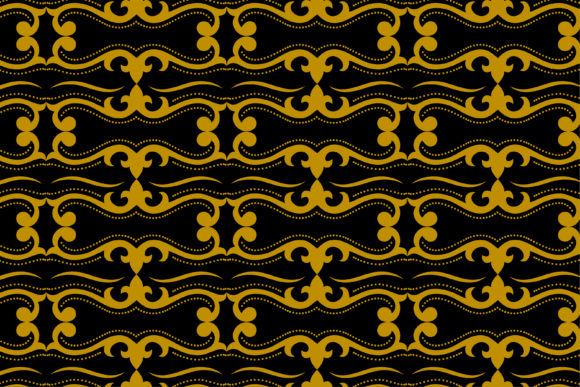
The Abstract Floral Pattern Batik Gold Black is not merely a floral illustration; it is a stylized interpretation of ancient wax-resist dyeing techniques translated into digital form. Visually, these vectors typically feature hand-drawn rhombus shapes and intricate mesh structures that mimic the crackle effects found in authentic batik fabric. The color palette is distinct, relying heavily on high-contrast combinations of black and gold, often accented with beige, cream, or deep blue tones to evoke a sense of luxury and vintage nostalgia.
From a technical standpoint, the primary value proposition of this resource is its vector format. Unlike raster images, these files are composed of mathematical paths rather than pixels. This allows for infinite scalability without loss of quality, making them ideal for large-format printing such as wallpaper or stage backdrops. Furthermore, the seamless nature of the pattern ensures that the design can be tiled across any dimension without visible breaks or misalignments, a critical factor for textile manufacturing and web background implementation.
Strategic Applications and Use Cases
Evaluating whether this specific style fits a project involves analyzing the intended emotional response and functional application. The fusion of tribal motifs with geometric precision makes this pattern versatile across several domains:
- Luxury Packaging and Branding: The combination of gold and black signals premium quality. Brands in the cosmetics, jewelry, or spirits industries often utilize this aesthetic to convey heritage and sophistication without appearing overly ornate.
- Fashion and Textile Design: As a digital representation of fabric, these vectors serve as excellent mockups for dress materials, scarves, and tie-dye inspired collections. The abstract floral elements provide visual interest while remaining gender-neutral and trendy.
- Event Stationery and Decor: For weddings or galas requiring a retro or hipster vibe, this pattern offers a balance between old-world charm and contemporary graphic design. It works effectively on invitation suites, menu cards, and table linens.
- Digital Interfaces: When used at low opacity, the geometric mesh provides texture to websites and apps without compromising text readability. The Art Deco influence adds character to minimalist layouts.
Benefits of Vector-Based Batik Assets
Choosing a vector version of this pattern over a photographed scan of real fabric offers distinct advantages in a professional workflow. The most significant benefit is editability. Designers can isolate individual elements, such as a specific petal or leaf shape, to create standalone logos or icons. Color manipulation is equally efficient; changing a gold accent to yellow or adjusting the black background to a dark navy takes seconds in vector software, whereas recoloring a complex watercolor texture requires advanced masking and adjustment layers.
Additionally, vector files maintain crisp edges at any resolution. For print production, this eliminates the risk of pixelation that often plagues expanded raster textures. The clean lines also facilitate easier integration with other graphic elements, allowing for precise alignment with typography and UI components. From a file management perspective, vectors are generally smaller in size than high-resolution TIFF or PSD files, streamlining storage and transfer processes.
Tradeoffs and Limitations to Consider
Despite their versatility, Abstract Floral Pattern Batik Gold Black vectors present certain limitations that must be weighed during the selection process. The primary tradeoff is the lack of organic imperfection. Authentic batik is valued for its irregularities—the uneven wax absorption and natural dye bleeding that occur during hand-painting. Digital vectors, by definition, are mathematically perfect. While some artists simulate hand-drawn strokes, the result can sometimes feel sterile or overly repetitive compared to a scanned watercolor or gouache original.
Another consideration is stylistic specificity. The strong association with Art Deco and Javanese culture means this pattern carries significant cultural and historical weight. Using it inappropriately or out of context can lead to visual dissonance. For example, applying a traditional tribal motif to a futuristic tech interface may create confusion unless the juxtaposition is intentional and carefully executed. Furthermore, the high contrast of gold on black can be challenging for accessibility compliance in digital environments, potentially reducing legibility for users with visual impairments if not managed correctly.
Comparing Alternatives and Decision Criteria
To make an informed decision, it is helpful to compare this vector style against other common pattern categories. If the project demands raw authenticity and tactile warmth, a high-resolution raster scan of actual batik fabric or a watercolor painting may be superior. Rasters capture the paper grain, paint bleed, and fiber texture that vectors cannot replicate. However, if the priority is flexibility, brand consistency, and multi-platform usage, the vector option remains the stronger candidate.
Simpler geometric patterns may be preferable for backgrounds where content density is high. The intricate details of a batik rhombus or floral mesh can compete with foreground text. In such cases, a solid color or subtle noise texture might perform better functionally, reserving the elaborate batik pattern for headers, borders, or hero sections. Conversely, if the goal is to make a bold statement or establish a specific thematic anchor, simpler alternatives will lack the necessary visual gravity.
Practical Selection Guidelines
When evaluating specific assets within this category, verify the following technical and aesthetic criteria to ensure alignment with project goals:
- Seamlessness Verification: Test the tileability immediately. Zoom in to check for gaps or overlapping artifacts at the seams. True seamless patterns should be indistinguishable when repeated.
- Layer Organization: Assess how the vector is constructed. Well-organized files separate background colors, ornamental details, and outlines into distinct layers. This structure significantly reduces editing time and increases the asset's long-term value.
- Cultural Accuracy vs. Abstraction: Determine if the project requires culturally accurate Javanese symbolism or merely the aesthetic suggestion of batik. Abstract interpretations offer more creative freedom but less cultural specificity.
- Color Mode Compatibility: Ensure the file supports the necessary color space. Gold effects often rely on CMYK spot colors or specific gradients that may not translate well to RGB screens without adjustment. Check if metallic simulations are included or if flat colors are used.
- Licensing Terms: Review usage rights carefully. Some vector resources restrict use in merchandise or require attribution. Confirm that the license covers all intended applications, from digital wallpapers to physical textile printing.
Ultimately, the Abstract Floral Pattern Batik Gold Black vector serves as a powerful tool for bridging traditional craftsmanship with modern design needs. Its suitability depends entirely on the specific demands of the project regarding scalability, editability, and tonal appropriateness. By objectively weighing these factors against the inherent limitations of digital reproduction, designers can confidently select resources that enhance rather than compromise their creative vision.